
Information hierarchy
Entrance signs answer where to go; counter displays explain food and price; collection signs explain handover and exit. Place information before the point where a diner must make a choice.
CAPABILITIES
Translate audience research into menus, spaces and activities that express the dining brand. Methods and deliverables are agreed for each project.
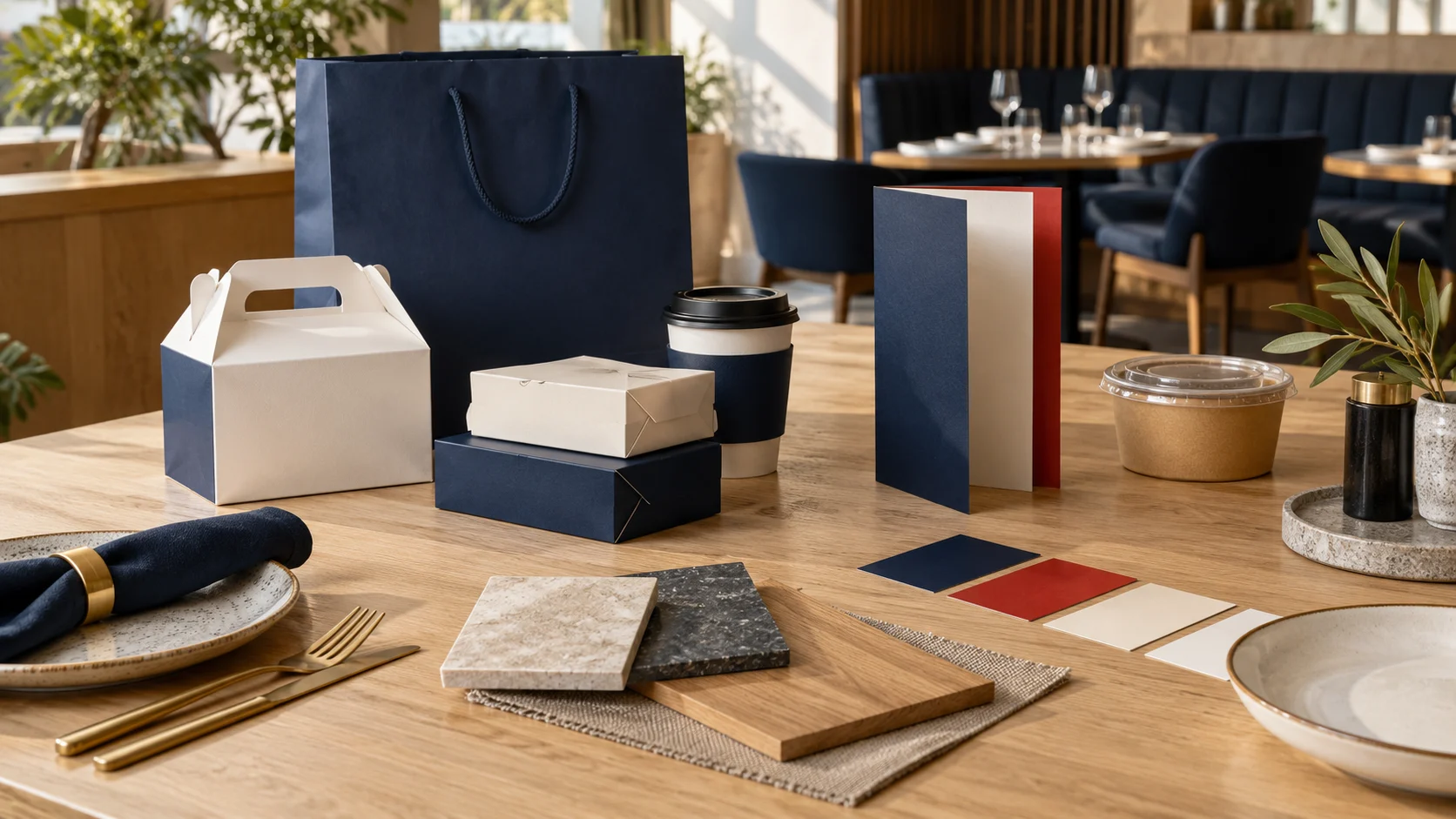
Dining brand planning translates the needs of an organization and its diners into an experience people can understand and use. Research distinguishes the culture the client wishes to express, diners’ daily needs and operational constraints, bringing them together in one design brief.
Observation, menu records, interviews and feedback can reveal peak times, meal preferences, circulation issues and unclear messages. Record the sample and date for each source. The resulting brief defines the audience, value proposition, food direction, visual tone and service touchpoints without generalizing a few opinions to everyone.
Plan the experience from entry through selection, queuing, collection, seating and tray return. Map diners, food, utensils and replenishment before placing identity and signs. Circulation proposals must be checked against kitchen, building, fire and accessibility requirements; brand planning does not replace engineering design.
Entrance signs answer where to go; counter displays explain food and price; collection signs explain handover and exit. Place information before the point where a diner must make a choice.
Walk through first visits, peak demand, unavailable items and equipment outages. Use observed problems to refine wording, size, placement and staff actions instead of approving visual renders alone.
BUSINESS IN CONTEXT
An understanding of the market and audience informs positioning. Language, visual identity, dining settings and communication then express that positioning across the brand’s touchpoints.

Start a themed activity with a clear purpose: broadening the food offer, introducing a dining venue or expressing organizational culture. Schedule menus, preparation, setup, staffing, replenishment and recovery together. Promotional reach and registrations must not be reported as attendance.
Confirm responsibilities, site conditions, menus and alternatives before launch. Record supply changes, congestion and feedback during service. Review experience, ingredient use, leftovers and cost with clear sample boundaries. If supply or circulation fails, adjust service before expanding promotion.
Completed design is not evidence of improved performance. Review whether signs are understood, menus communicate accurately, staff explain the offer consistently and activities preserve normal service. Explain how survey, observation and operating evidence was collected rather than assuming a satisfaction gain.
Outputs may include a positioning brief, touchpoint map, identity guide, menu templates, activity run sheet and review record. Give each an approver, maintainer, usage scope and current version. Names, marks, photographs and portraits remain subject to their respective permissions.
Official public material informs waste-conscious menu and event planning. Research, space and design workflows are project methods whose outcomes need on-site validation.