SHIHUA BROTHERS

Seven business sectors

The 6+1 full-chain food-service framework: seven distinct businesses, with digital catering at its core.

CORE BUSINESS

Digitally enabled group dining

Connect identity and entitlements, menus and nutrition, ordering and settlement, food safety and operational decisions through a coherent dining service.
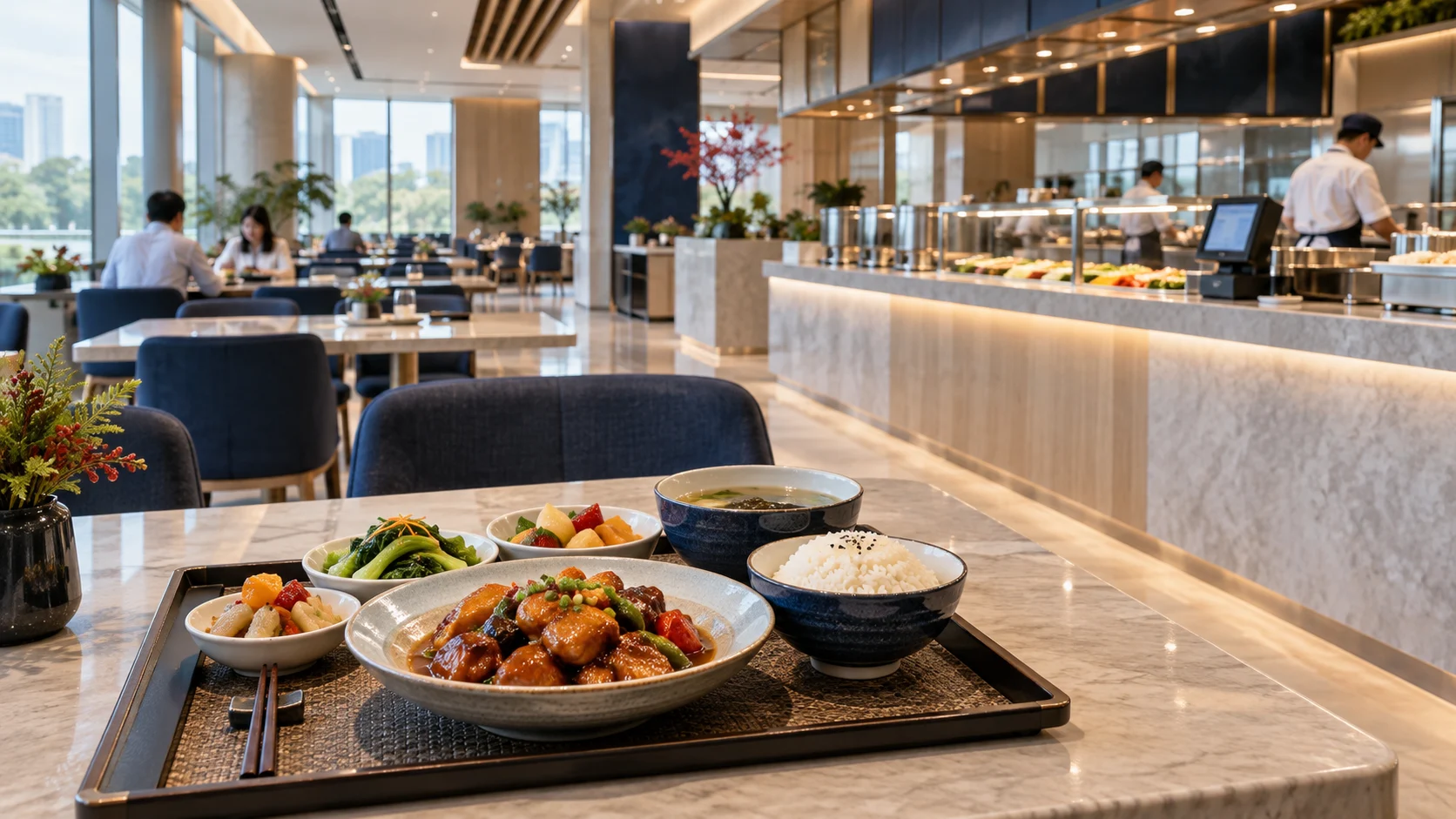
Digital catering · Dining space and meal service

Service design

Digital catering is the core of the seven business sectors. Service design connects people, menus, kitchens, counters and organisational rules. Campus peaks, factory shifts, workplace subsidies and different hospital dining groups require distinct operating arrangements.

Start with a service register covering sites, users, meal periods, expected demand, service windows and responsible contacts. Separate recurring plans, daily adjustments and exceptional requests. Define approval deadlines and the teams that must receive changes. Digital tools then support an agreed operating process rather than merely adding an ordering screen.

Identity and entitlements

Separate identity from the entitlement to a specific meal. Staff status, shifts and subsidy plans need effective dates. Manage temporary visitors, cross-site dining and reception meals with scoped authorisation and clear expiry.

Rule objects

Define scope by organisation, site, meal period and user group. Configure subsidies, meal limits and personal payment separately from site access.

Transaction checks

Distinguish reservations, collection, charges and reversals. Reconcile meal periods, subsidy allocation and settlement cycles; route duplicates and adjustments for accountable review.

Necessary information

Use only information needed for service and define who maintains it, who can view it and how leavers are handled. Assess authorised interfaces without assuming shared databases.

Menus and nutrition

A menu serves diners while also guiding purchasing and production. Keep dish names, ingredients, preparation methods, portions, meal periods and prices in a consistent version. Ingredient substitutions must reach kitchens, counters and relevant diner information together.

Plan cycles against seasonality, budget, variety and kitchen conditions. Nutrition information requires recipe and portion evidence. Agree the scope and communication of dietary and allergy-related requests. Clinical diets remain subject to hospital professional instructions. Classify feedback by dish, meal period and setting before the next review.

BUSINESS IN CONTEXT

Connecting diners and client organisations

Meals and on-site service sit at the centre, connecting diners’ choices and experience with the client’s catering arrangements. Digital information and food safety support day-to-day coordination.

Two perspectives, connected through a meal
Conceptual business relationships · Service scope depends on project conditions

Food-safety controls

Connect receiving, storage, preparation, service and cleaning records by batch, time, site and responsibility. Records should help locate affected meals, remaining stock and service points when an issue occurs.

Use a clear path from detection and containment to assessment, action and verification. Images and sensor readings support investigation but are not proof of food safety alone. Set process parameters according to food type and applicable requirements. Link sampling and testing to relevant meals where required, and retain evidence of verified corrective action.

Operational decisions

Bring information back to meal periods, dishes and responsibilities. Define consistent units for diners, portions, revenue and cost. Compare projects only with context for service formats, hours and contract scope.

Demand and preparation

Review reservations, arrival patterns and sell-outs. Distinguish forecast error from queues or special events before changing preparation and staffing.

Consumption and surplus

Separate preparation loss, unsold meals and plate waste. Check units and time periods, then connect differences to ingredients, dishes and processes.

Project delivery

Start with site interviews and workflow mapping. Agree service scope, responsibilities, menu and entitlement rules, data definitions and escalation contacts. Rehearse one meal period or service point, including reversals, changes, offline operation and food-safety exceptions.

Deliver practical procedures, checklists, training records and agreed acceptance criteria alongside any equipment or software. Select interfaces and configuration for the project. Evaluate improvements through actual service records rather than assumed performance gains.

Industry references

Translate relevant guidance into project responsibilities, records and checks. Verify applicability during assessment; references are not evidence of Group certification or project outcomes. Historical interfaces, dates and figures reflect the source material at that time, not current system availability or operating metrics.

OUR BUSINESSES

Food supply chain

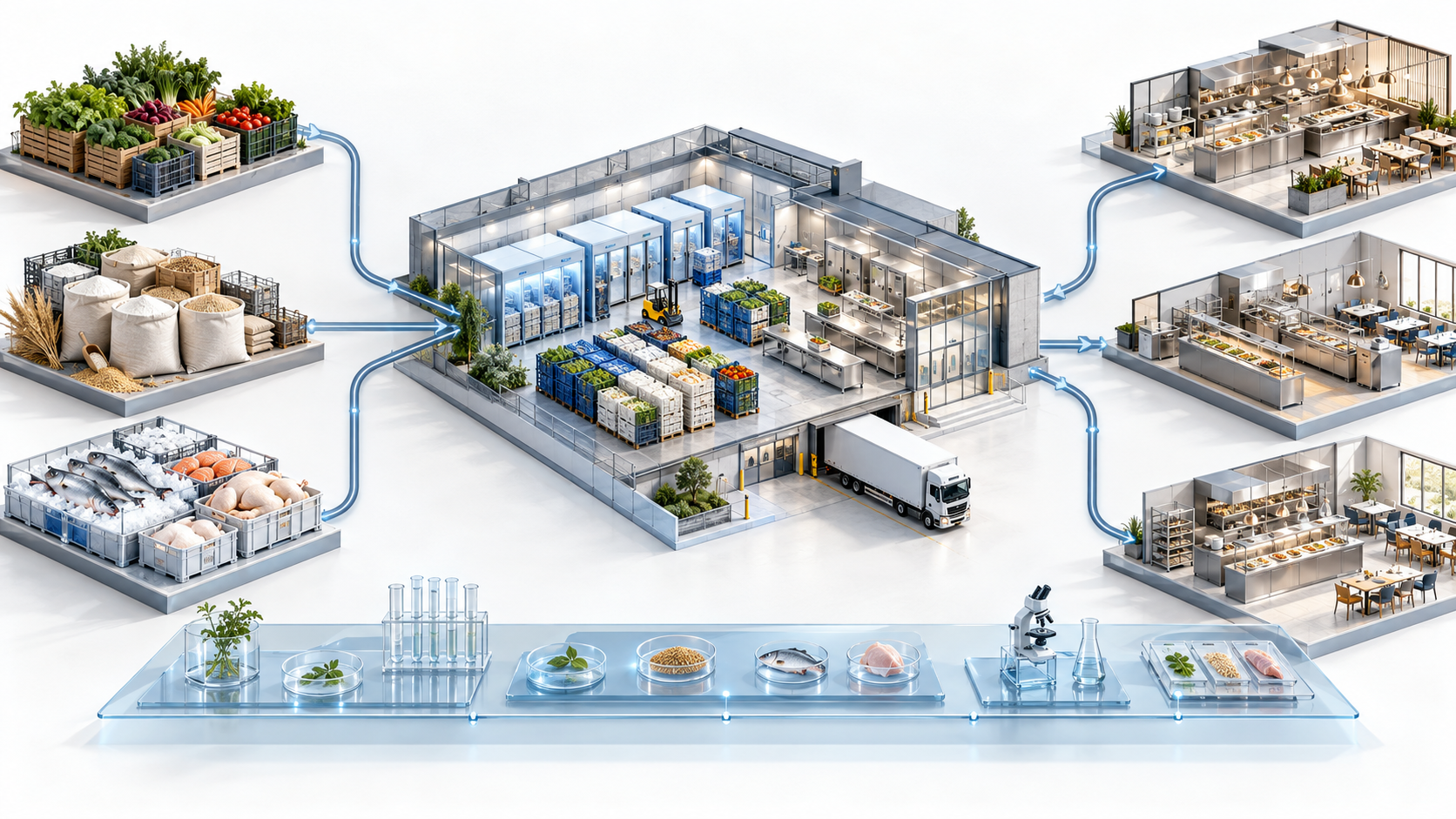
Coordinate ingredient supply through clear specifications, quality controls and traceable handovers.

Food supply chain · Ingredient receiving and storage

Supply planning

The catering supply chain is a distinct business and a connection in reliable meal delivery. Work backwards from menus and service schedules to ingredient specifications, delivery windows and quantities, linking sourcing, preparation, storage and site receipt.

Separate confirmed orders, forecasts and urgent replenishment. Check usable stock, incoming deliveries and shelf life. Pass menu, holiday and shift changes upstream; return supply constraints to menu and site teams for approved alternatives. Good planning depends on timely, complete information rather than excess inventory.

Purchase specifications

Clear specifications reduce delivery ambiguity. Use consistent names and units across quotations, orders, receipt and settlement. Keep an approved version whenever a specification changes.

Product definition

Define product type, specification, net weight, packaging, preparation level and storage conditions. Compare whole, prepared and semi-finished ingredients on an appropriate basis.

Supplier review

Review supplier identity and relevant documentation alongside delivery performance and corrective actions. Track pricing and quality separately, with alternatives and exit arrangements.

Comparable cost

Distinguish purchase price, usable yield, processing loss and transport cost. Normalise units before comparing cost against actual output.

Prepared ingredients

Company materials describe 一城一地 as a prepared-ingredient business, with sorting, washing, processing and packing. Project design clarifies the delivered condition, the work remaining at the kitchen, and implications for storage, equipment and timing.

Link processing instructions to ingredient batches, cutting specifications, pack units and destinations. Labels need a clear product identity and storage instructions; washed ingredients are not automatically ready to eat. Trial preparation checks portioning and dish suitability before agreeing yields and order units. Retain project-specific requirements even when ingredients are shared.

BUSINESS IN CONTEXT

Matching supply to catering needs

Ingredient supply, distribution coordination and kitchen demand are connected. Specifications, preparation formats and delivery arrangements respond to kitchen needs, with feedback reaching suppliers and quality information spanning the relationship.

Two-way coordination, with quality throughout
Conceptual business relationships · Service scope depends on project conditions

Storage and transport

Organise storage by food category, conditions, batch and status. Distinguish stock awaiting inspection, accepted stock, returns and rejected goods. Consider shelf life and release status when issuing stock; quarantined goods are not available inventory.

Assess temperature control through receipt, holding, loading, transport and handover. Records should identify the measurement point, time and instrument, distinguishing ambient from product readings. Review excursions in the context of the batch and process. A return to the target reading does not itself authorise release.

Quality and traceability

Begin traceability with the previous source and next recipient, then connect orders, batches, processing and use. Investigate affected quantities and destinations before interpreting supporting reports or images.

Check the sample, scope and date of third-party testing. Receiving checks and supplier documents serve different purposes; historical reports do not establish the status of current batches. Retain containment, return, disposal and verification records. Feed recurring issues back into supplier review and purchasing specifications.

Delivery model

Agree whether the scope covers raw, prepared or semi-finished ingredients and transport, and assign receiving, processing and inventory responsibilities. Start with a catalogue, specifications, delivery windows, acceptance conditions and exception contacts. Validate representative categories before expanding the catalogue.

Organise product, supplier, site and batch identifiers before connecting order data. The source materials recorded the AI supply-chain application as Alpha-stage and not publicly available at that time; this does not establish its current availability. Forecasting proposals require suitable records, trials and human review; any delivery scope must be agreed for the project.

Industry references

Translate relevant guidance into project responsibilities, records and checks. Verify applicability during assessment; references are not evidence of Group certification or project outcomes. Historical interfaces, dates and figures reflect the source material at that time, not current system availability or operating metrics.

OUR BUSINESSES

Restaurant brands & chains

Connect products, outlets and service standards through a repeatable operating method, configured to the verified brand and project scope.

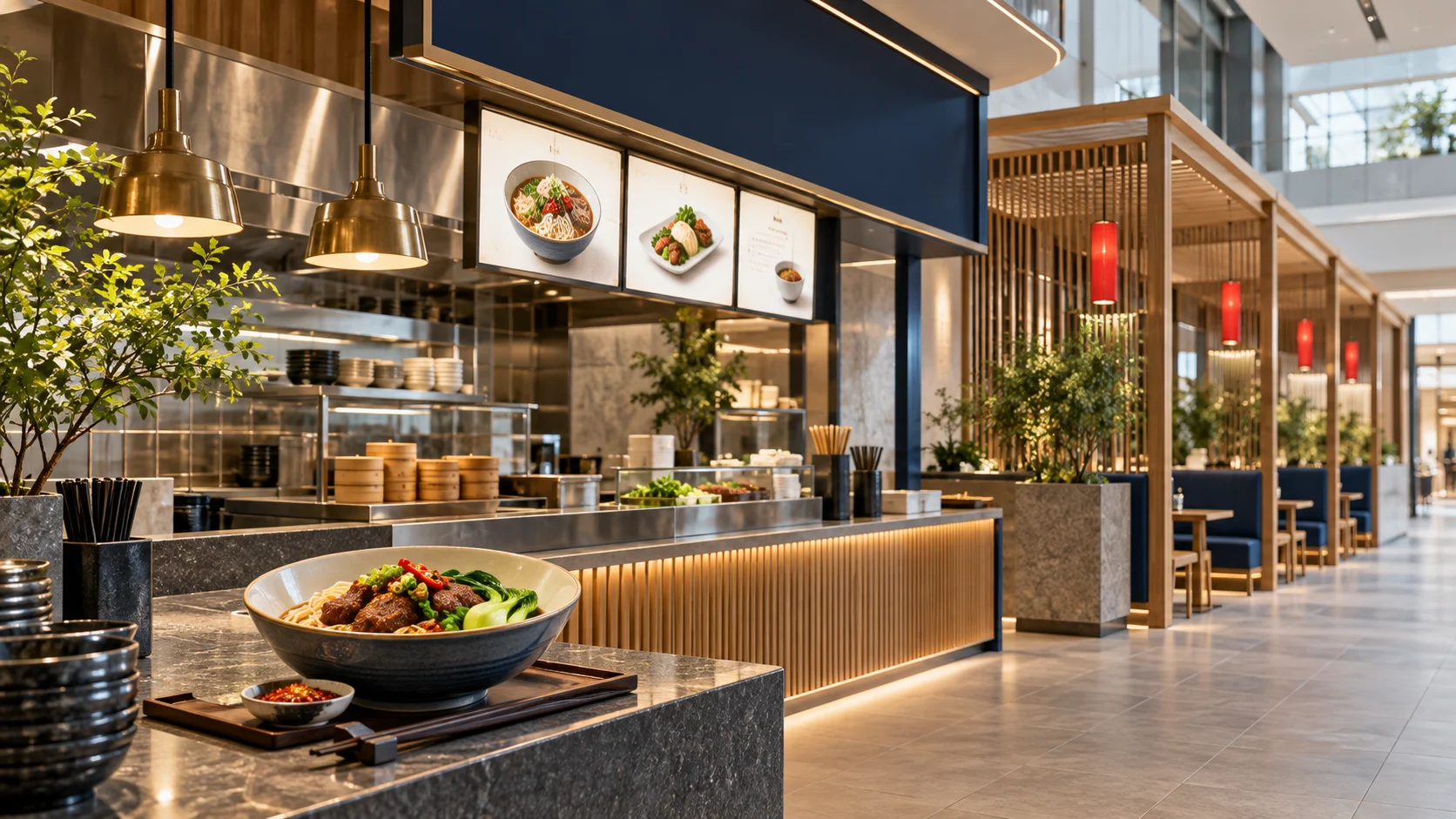
Restaurant brands · Contemporary food-service outlets

Brand and format

Brand operations connect a food offer, outlet format, service experience and operating standards into a repeatable method. Campus dining, workplace sites and business venues differ in demand, spending patterns, service hours and facilities. Fit should be assessed before selecting the product range and operating format.

An operating brief brings together demand, price range, kitchen conditions, staffing and supply distance. It distinguishes common brand standards from locally adjustable menus, opening hours and events. Brand ownership, partnership arrangements and operating scope remain subject to verified materials and the project agreement.

Menu engineering

Menu management begins with a consistent item code linking name, specification, ingredients, quantities, preparation, presentation and selling unit. Comparable purchasing, preparation and sales units make cost and output differences explainable. Recipe changes need a version, effective date and applicable outlets; substitutions require checks of taste, allergens and supply conditions.

Product mix

Separate core, rotating and seasonal items. Review sales alongside preparation effort, equipment demand and unsold portions, preserving options that serve distinct dietary needs instead of ranking everything by volume alone.

Cost structure

Reconcile raw and usable ingredient quantities, purchase units and actual consumption. Separate normal preparation loss from exceptional write-offs. Compare margins on a consistent basis and explain labor, occupancy and contract costs separately.

BUSINESS IN CONTEXT

A consistent brand experience

Brand consistency connects products, store operations, service, people and communication. These areas support a recognisable customer experience while allowing for the needs of different locations and dining settings.

Five areas supporting brand consistency
Conceptual business relationships · Service scope depends on project conditions

Consistent quality

Consistency requires separate definitions for ingredients, receiving checks, critical preparation steps and finished dishes. Keep batch and storage records, review portion and presentation standards, and check readiness, replenishment and closing by role and time. An overall score must not hide a food-safety issue.

For an abnormal batch or dish, take risk-appropriate containment measures before tracing supply and preparation records. Assign an owner, deadline and verification method. Compare outlets only after accounting for meal format, time period and operating conditions.

Dining experience

A brand experience spans menu reading, queuing, collection and tray return. Consistent identity, menu hierarchy and pricing should leave clear space for meal choices, allergen information and collection instructions. Staff explanations, unavailable-item messages and complaint responses also need a shared approach.

Food festivals, seasonal menus and cultural events should fit kitchen capacity, circulation and replenishment. Review participation, output, consumption and feedback before repeating an activity. Use event photographs only within the relevant permissions.

Operating review

Review sales, ingredient use, stock-outs, write-offs, feedback and staffing together. Explain record differences before drawing business conclusions: additional trading days, recipe changes or purchasing units can all affect a comparison. Give each improvement a clear hypothesis, scope and review period.

People and practice

Connect brand standards with the academy’s learning, case discussion and practical training. Turn trial issues into mentoring tasks and update learning materials when operating standards change.

Working outputs

Project outputs may include an operating brief, item and recipe catalog, outlet handbook, role-based training checklist, trial issue log and periodic review template, each with an owner and update trigger.

Industry reference

The official reference below informs portion and waste-conscious menu design. Other workflows explain operating methods and do not imply certification, a franchise offer or guaranteed financial results.

OUR BUSINESSES

Brand planning

Translate audience research into menus, spaces and activities that express the dining brand. Methods and deliverables are agreed for each project.

Brand strategy · Hospitality identity and experience design

Define the experience

Dining brand planning translates the needs of an organization and its diners into an experience people can understand and use. Research distinguishes the culture the client wishes to express, diners’ daily needs and operational constraints, bringing them together in one design brief.

Observation, menu records, interviews and feedback can reveal peak times, meal preferences, circulation issues and unclear messages. Record the sample and date for each source. The resulting brief defines the audience, value proposition, food direction, visual tone and service touchpoints without generalizing a few opinions to everyone.

Space and circulation

Plan the experience from entry through selection, queuing, collection, seating and tray return. Map diners, food, utensils and replenishment before placing identity and signs. Circulation proposals must be checked against kitchen, building, fire and accessibility requirements; brand planning does not replace engineering design.

Information hierarchy

Entrance signs answer where to go; counter displays explain food and price; collection signs explain handover and exit. Place information before the point where a diner must make a choice.

Test the journey

Walk through first visits, peak demand, unavailable items and equipment outages. Use observed problems to refine wording, size, placement and staff actions instead of approving visual renders alone.

Menu and identity

Menu visuals should make choices clear before adding brand expression. Keep names, meal formats, prices, portions and important notices in a stable hierarchy. Printed, screen-based and online menus should use the same approved content. Product photographs must match the actual offer; concept imagery must remain identifiable.

Deliverables may cover identity applications, color and type rules, menu layouts, price labels, signs and editable source files with version and usage information. Check product availability, dates, promotional conditions and media rights whenever content changes. Review Chinese and English layouts for line length, ingredient terminology and reading order.

BUSINESS IN CONTEXT

From audience insight to brand expression

An understanding of the market and audience informs positioning. Language, visual identity, dining settings and communication then express that positioning across the brand’s touchpoints.

Clear positioning guides expression
Conceptual business relationships · Service scope depends on project conditions

Themed activities

Start a themed activity with a clear purpose: broadening the food offer, introducing a dining venue or expressing organizational culture. Schedule menus, preparation, setup, staffing, replenishment and recovery together. Promotional reach and registrations must not be reported as attendance.

Confirm responsibilities, site conditions, menus and alternatives before launch. Record supply changes, congestion and feedback during service. Review experience, ingredient use, leftovers and cost with clear sample boundaries. If supply or circulation fails, adjust service before expanding promotion.

Review and maintain

Completed design is not evidence of improved performance. Review whether signs are understood, menus communicate accurately, staff explain the offer consistently and activities preserve normal service. Explain how survey, observation and operating evidence was collected rather than assuming a satisfaction gain.

Outputs may include a positioning brief, touchpoint map, identity guide, menu templates, activity run sheet and review record. Give each an approver, maintainer, usage scope and current version. Names, marks, photographs and portraits remain subject to their respective permissions.

Industry reference

Official public material informs waste-conscious menu and event planning. Research, space and design workflows are project methods whose outcomes need on-site validation.

OUR BUSINESSES

Smart kitchens

Coordinate space, equipment, processes and people for practical, verifiable kitchen operations.

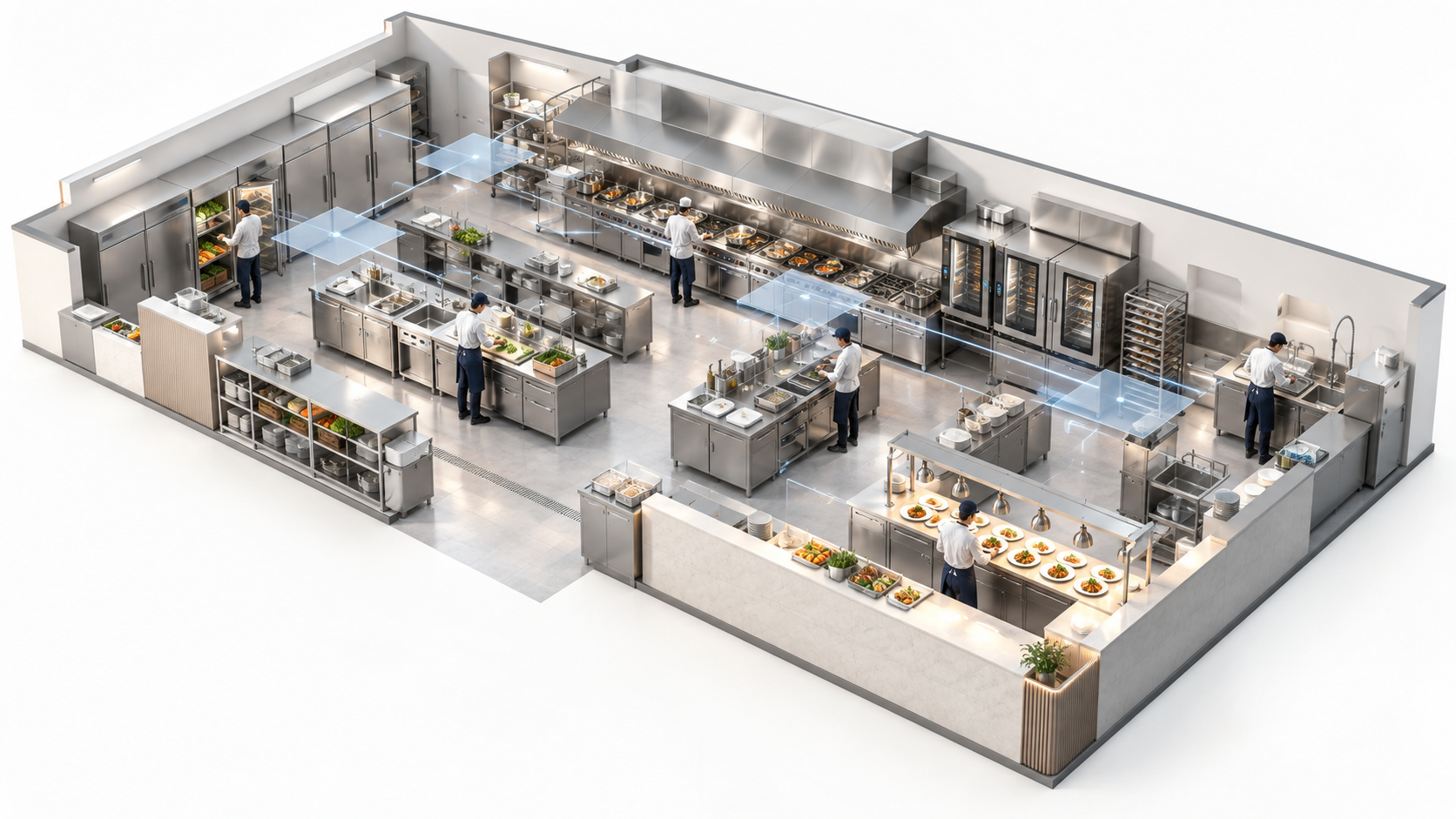
Smart kitchen · Professional kitchen workflow

Kitchen planning

Smart kitchens form a distinct business focused on coordinating space, equipment, people and processes. Start with menus, preparation depth, meal schedules and service formats, then assess resources for receiving, storage, preparation, cooking, assembly and washing.

Nameplate equipment capacity is not the same as site throughput. Examine ingredient readiness, preparation pace, cooking batches, dispatch and washing turnaround to identify constraints. Define operating conditions, facility limits and commissioning arrangements before selecting digital tools or equipment.

Zones and movement

Let workflow determine zoning. Review routes for ingredients, people, finished food, clean utensils and waste together. Constrained sites need assessed separation arrangements rather than visual markings alone.

Ingredient route

Connect receiving and storage to appropriate preparation zones, with clear washing arrangements, holding locations and tool identification.

Finished-food route

Connect cooking, holding, portioning and service. Review protection and handover conditions while separating finished meals from returns and waste.

Utensil circulation

Separate returned, washed, disinfected and protected utensils. Assess washing turnaround and clean-storage capacity, including post-service peaks.

Production planning

Translate menus into task plans covering ingredient condition, equipment, role, batch size, completion time and dispatch order. Schedule shared equipment without compromising appropriate work zones or utensils.

Plan backwards from service, allowing time for receiving, preparation, checks and handover. Define who confirms replenishment and extra meals. Where work boards are used, they should show current tasks, the next batch and exception owners while retaining human judgement and verification.

BUSINESS IN CONTEXT

Space, equipment and people behind every meal

Kitchen activities happen in parallel. Space, equipment and teamwork support meal production, while digital management provides an information layer linking tasks with on-site records.

Physical operations supported by information
Conceptual business relationships · Service scope depends on project conditions

Hygiene controls

Assign cleaning and disinfection by object, method, frequency and responsibility. Distinguish food-contact surfaces, equipment interiors, drainage, storage and personal hygiene. Routine cleaning, product changeovers and contamination events need appropriate procedures.

Check method suitability, correct product use and protection after cleaning. Link process or facility issues to potentially affected food and time periods. Contain the risk first, investigate and verify corrective action. Images support review but do not replace required on-site checks or specialist assessment.

Equipment and data

Select equipment for process needs and maintainability. Data should clarify availability, responsibility and meal-service impact rather than maximise the number of monitoring screens.

Asset register

Identify equipment by location, purpose and maintenance status, with relevant calibration records. Update associations after replacements so historical readings remain interpretable.

Alert handling

Where equipment alerts are configured, set thresholds for the process and track detection, acknowledgement, action and verification. Distinguish network or sensor faults from food-related deviations and use manual checks when needed.

Resource use

Where reliable metering exists, review resource use by equipment, time and output, separating standby from production. Validate proposals against the process before claiming savings.

Implementation

Move from site assessment and workflow design through configuration, training, trials and issue verification. Deliver layout and flow drawings, equipment and task lists, role instructions, cleaning schedules and exception procedures. Appropriate responsible parties undertake construction and installation.

Test actual menus and representative peaks from receiving to service, returns and cleaning. Acceptance must demonstrate practical operation, accountable exception handling and maintenance arrangements as well as digital records. Use trial and operating evidence to refine procedures and training.

Industry references

Translate relevant guidance into project responsibilities, records and checks. Verify applicability during assessment; references are not evidence of Group certification or project outcomes. Historical interfaces, dates and figures reflect the source material at that time, not current system availability or operating metrics.

OUR BUSINESSES

Food service data

Support food-service decisions with reliable records, shared definitions and accountable follow-up. Data scope, integration and analysis are confirmed project by project.

Food-service data · Dining operations analysis

Reliable operating data

Catering data should explain operations and support action. Identify the sources for menus, orders, purchasing, stock, production, service, settlement and feedback. Establish who creates each record, when it occurs and how it is checked before choosing collection and display methods. Shared definitions do not require separate systems to share a database.

The project design should also define relationships between menu nutrition and allergen information, reservations and collection, allowances, receiving, temperature, sanitation, retained samples and delivery records. A data inventory identifies the source, owner, refresh cycle, required fields, purpose and retention needs. Imports, interfaces and manual records all need missing-value, duplication and delay checks. Keep unknown values distinct from zero.

Shared definitions

Give organizations, sites, outlets, counters, meals, dishes, ingredients and suppliers stable identifiers. Record specifications, unit conversions, validity and ownership so similarly named items and historical versions remain distinguishable. Assess reporting and settlement effects before changing master data.

Metric dictionary

Define the question, numerator, denominator, period, exclusions, refresh time and owner for every metric. Served meals, ordered portions and payment transactions are different measures; treat refunds, cancellations and test records consistently.

Comparable analysis

Show trading days, meal periods, covered populations and material changes alongside comparisons. Separate unsold food, preparation loss and plate waste; align tax treatment, units and cost allocation before comparing costs.

Identity and access

Separate dining eligibility, operational permissions and management visibility. Use only information necessary for the service and give site, management and finance roles appropriate scopes. Account creation, role changes, temporary access and departure need named requesters, approvers and effective times.

Personal-data use needs a clear purpose and lawful basis. Assess sensitive information separately, and prefer aggregation when individual records are unnecessary. Define interface authorization, audit logs, export controls and retention in the project plan. This page does not claim an existing SSO or facial-recognition integration.

Reconciliation

Link purchase orders, receiving, stock movements, ingredient use and settlement. Check item, specification, unit, quantity, price and date before explaining shortages, returns, substitutions, write-offs or period differences. Reconcile dining orders, payments, refunds and allowances separately; payment does not prove meal delivery.

Use original records and approved evidence. Detect duplicate imports by business document, and retain the previous value, reason, operator and approval for corrections. Unexplained differences go to a responsible procurement, site or finance owner rather than being silently balanced.

BUSINESS IN CONTEXT

Using data to understand operating questions

Dish sales, stock and costs, and service-period activity offer different perspectives. Consistent definitions support analysis, operating adjustments and a review of what changed.

Multiple sources inform analysis and the next decision
Conceptual business relationships · Service scope depends on project conditions

Operating decisions

Useful views answer operational questions: when demand peaks, which dishes run out, how leftovers compare with production, and which meals a delayed delivery affects. Organize records by outlet, meal, item and time, then let accountable staff interpret shifts, events and local conditions.

If forecasting is included, define inputs, limitations, human overrides and a comparison baseline. Reduce reliance when history is sparse or conditions change. Charts support decisions; purchasing, menu and staffing changes still require business approval. Unvalidated algorithms or improvement percentages are not established results.

Delivery and upkeep

Agreed deliverables may include a source inventory, master-data dictionary, metric definitions, reconciliation rules, role matrix, exception workflow and sample reports. Acceptance should verify traceability, consistent calculations, access boundaries and issue ownership. Define change control and manual fallback records. Food-safety exceptions need timely operational escalation rather than waiting for a reporting cycle.

Industry reference

Privacy boundaries refer to the official legal text. The data and reconciliation workflows describe configurable methods, not evidence that any system, model, interface or client data has already been connected.

OUR BUSINESSES

SH Brother Academy

Start with real work, connecting learning, rehearsal, mentoring and assessment to develop observable food-service capabilities.

Shihua Brothers Academy · Culinary training space

Role-based capability

The Shihua Brothers Business Academy connects people development with food-service work. The company materials cover professional skills, equipment operation, restaurant management, basic finance, performance management and culture. These subjects can form role-based paths built around observable work.

A capability map identifies tasks, operating criteria, required records and escalation responsibilities for kitchen, service, logistics, quality and management roles. New starters, transferred employees and managers need different starting points. Observation and practical tasks reveal learning needs more reliably than tenure or a uniform course duration alone.

Learning design

Combine explanation, case analysis, role play, discussion and supervised practice. Build each unit around a real task: explain the purpose and risks, demonstrate the method, then ask the learner to explain, perform and reflect. Teaching materials should match the equipment, menu and responsibilities at the site.

Receiving exercises can compare documents with batches and goods; service exercises can rehearse unavailable-item explanations and complaint escalation. Equipment training must follow the relevant procedures and supervision. Attendance or video completion cannot replace observed competence in safety-critical work.

BUSINESS IN CONTEXT

Learning at different levels of responsibility

Job skills, on-site management and business management define different areas of learning. Content responds to responsibilities and experience, connecting knowledge with practice and management questions.

Three areas of capability for different responsibilities
Conceptual business relationships · Service scope depends on project conditions

Management practice

Management exercises bring scheduling, teamwork, cost awareness and issue review into one project scenario. Use appropriately de-identified records to practice decisions, requiring an explanation before proposing action. Managers need to know what to delegate, escalate and verify.

Operating literacy

Distinguish purchasing, consumption, write-offs and settlement. Reconcile quantities, units and periods, and explain budget differences in the context of demand and execution rather than equating lower cost with better service.

Team coordination

Practice briefings, handovers, absence cover and service exceptions. Assess task clarity, ownership and follow-up. Performance discussions should connect evidence with coaching instead of only announcing a score.

Evidence of competence

Assess knowledge, procedure, output and exception handling separately. Questions and practical tasks must match the role. Observation criteria should identify acceptable performance, critical errors and verification requirements; learners should understand both the result and any retraining route.

A learning record can include the plan, course version, mentor, practice task, assessment and follow-up. Restrict personal performance records to appropriate roles. Internal training and assessment do not establish a national qualification, academic award or authorization to certify vocational skill levels.

Shared practice

Turn service innovation and culture into specific situations: explaining a menu, respecting dietary needs, handling a complaint or coordinating during an exception. Discuss the conditions, actions and transferable lessons rather than slogans.

Business owners and mentors can turn site problems into learning cases after removing sensitive client and personal information. Update materials and assessment criteria when equipment, menus or procedures change, preserving versions and refresher scope. Historical course counts, trainee totals and online-learning plans in the source materials do not establish current enrollment or system availability.

Original Shihua Brothers calligraphic identity and values

Industry reference

Official occupational task descriptions inform role-based training alongside the learning methods in the company materials. An industry reference does not establish permission to provide qualifications or issue certificates.