
Product mix
Separate core, rotating and seasonal items. Review sales alongside preparation effort, equipment demand and unsold portions, preserving options that serve distinct dietary needs instead of ranking everything by volume alone.
CAPABILITIES
Connect products, outlets and service standards through a repeatable operating method, configured to the verified brand and project scope.
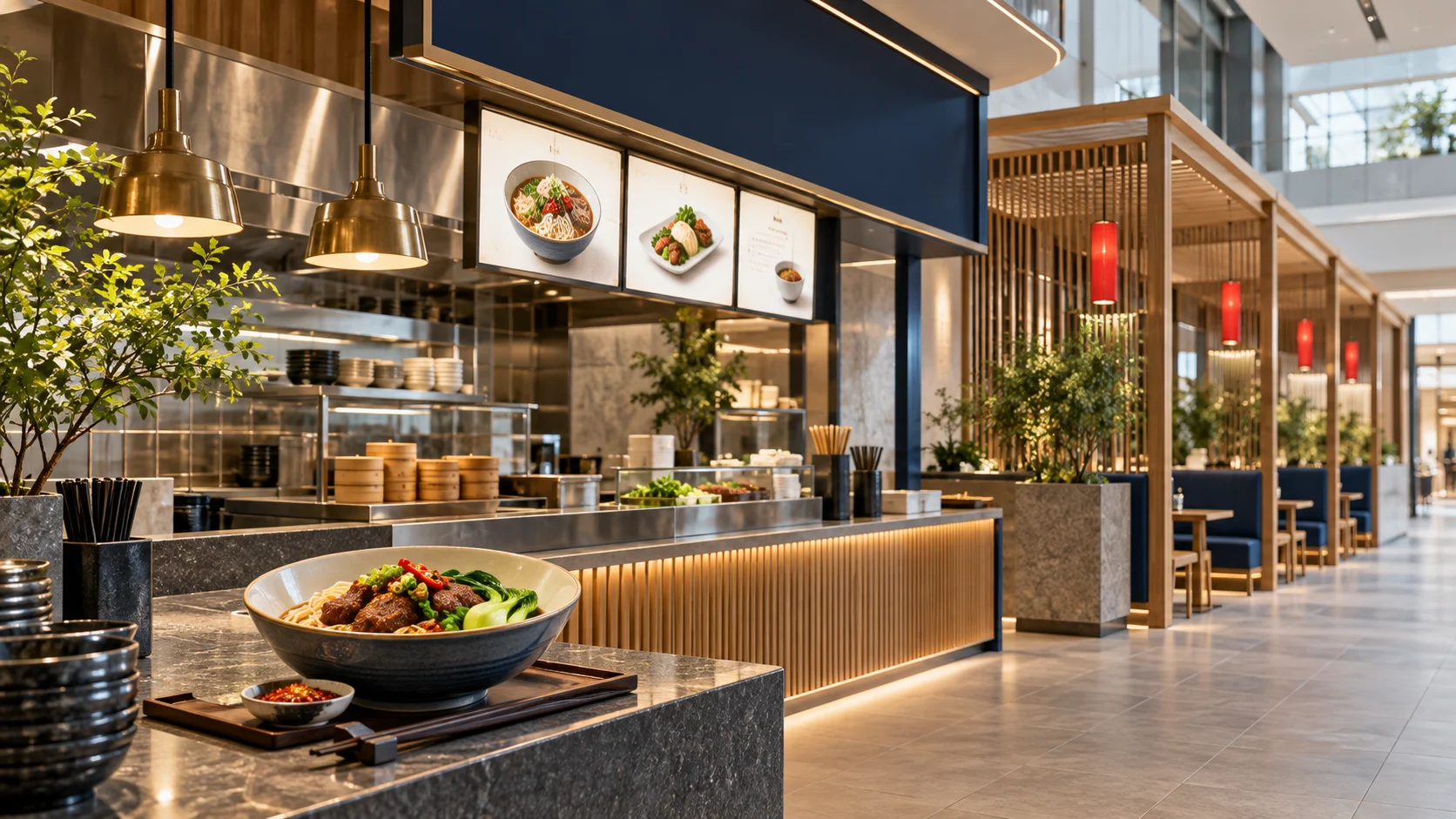
Brand operations connect a food offer, outlet format, service experience and operating standards into a repeatable method. Campus dining, workplace sites and business venues differ in demand, spending patterns, service hours and facilities. Fit should be assessed before selecting the product range and operating format.
An operating brief brings together demand, price range, kitchen conditions, staffing and supply distance. It distinguishes common brand standards from locally adjustable menus, opening hours and events. Brand ownership, partnership arrangements and operating scope remain subject to verified materials and the project agreement.
BUSINESS IN CONTEXT
Brand consistency connects products, store operations, service, people and communication. These areas support a recognisable customer experience while allowing for the needs of different locations and dining settings.
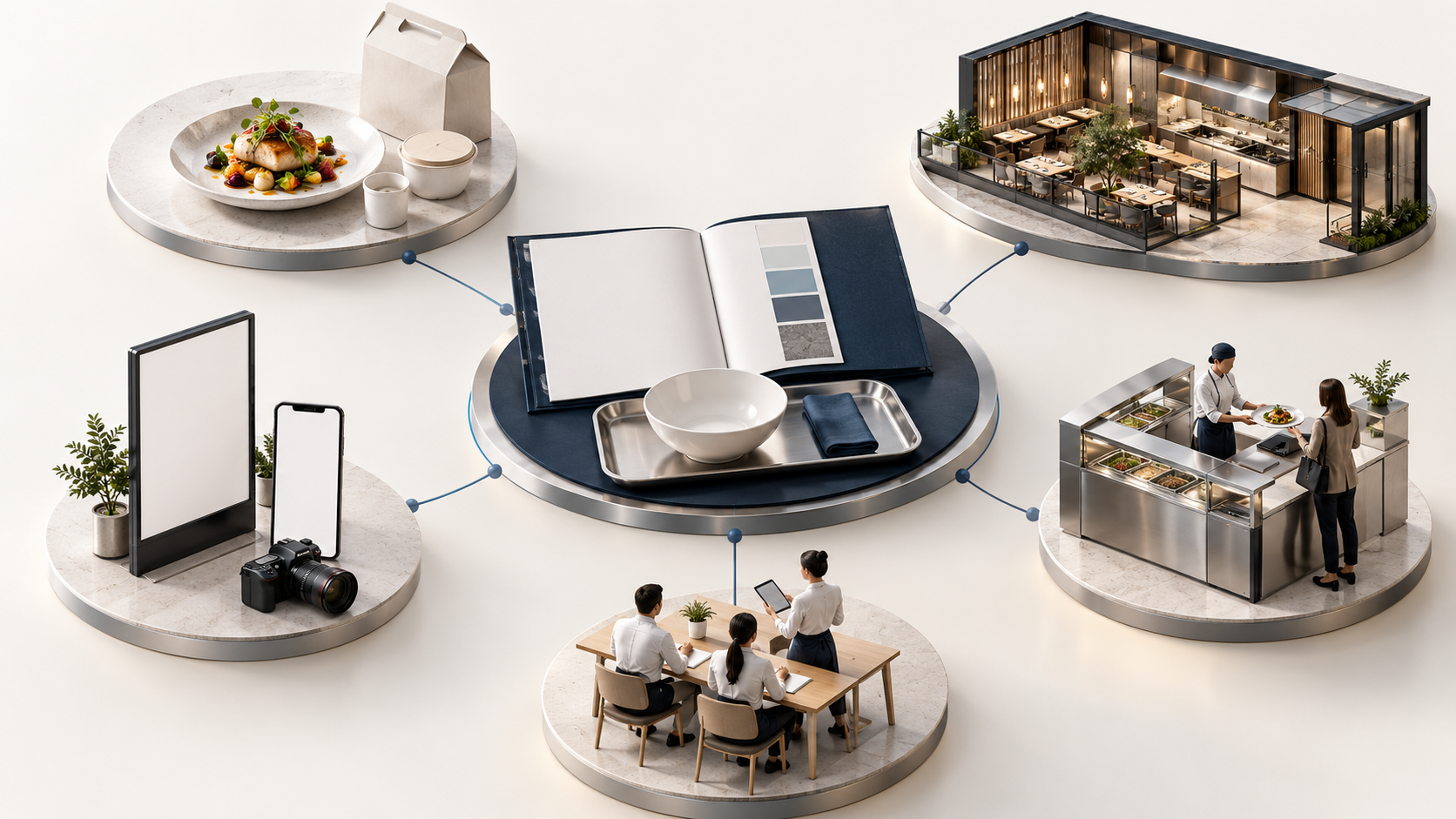
Consistency requires separate definitions for ingredients, receiving checks, critical preparation steps and finished dishes. Keep batch and storage records, review portion and presentation standards, and check readiness, replenishment and closing by role and time. An overall score must not hide a food-safety issue.
For an abnormal batch or dish, take risk-appropriate containment measures before tracing supply and preparation records. Assign an owner, deadline and verification method. Compare outlets only after accounting for meal format, time period and operating conditions.
A brand experience spans menu reading, queuing, collection and tray return. Consistent identity, menu hierarchy and pricing should leave clear space for meal choices, allergen information and collection instructions. Staff explanations, unavailable-item messages and complaint responses also need a shared approach.
Food festivals, seasonal menus and cultural events should fit kitchen capacity, circulation and replenishment. Review participation, output, consumption and feedback before repeating an activity. Use event photographs only within the relevant permissions.
Review sales, ingredient use, stock-outs, write-offs, feedback and staffing together. Explain record differences before drawing business conclusions: additional trading days, recipe changes or purchasing units can all affect a comparison. Give each improvement a clear hypothesis, scope and review period.
Connect brand standards with the academy’s learning, case discussion and practical training. Turn trial issues into mentoring tasks and update learning materials when operating standards change.
Project outputs may include an operating brief, item and recipe catalog, outlet handbook, role-based training checklist, trial issue log and periodic review template, each with an owner and update trigger.
The official reference below informs portion and waste-conscious menu design. Other workflows explain operating methods and do not imply certification, a franchise offer or guaranteed financial results.